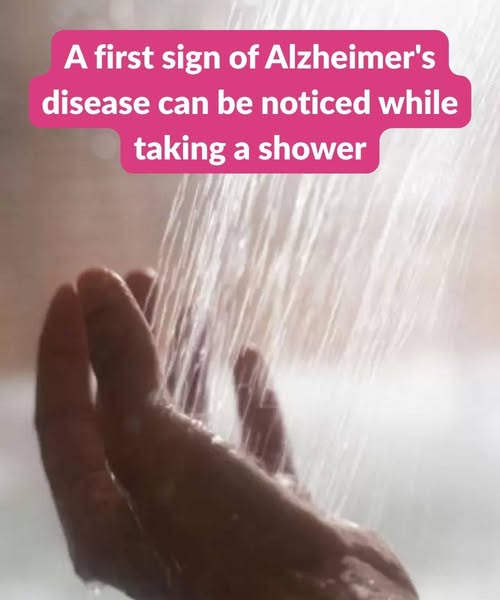
As Dr. Jeffrey Motter, co-author of the study, points out, integrating this type of screening into routine medical follow-up could profoundly transform how we diagnose Alzheimer’s disease. This is a promising step forward for patients… and their families.
Which smells should raise concern?
Below are the 12 smells used in the test, which you should pay attention to if you experience persistent discomfort:
Non-food odors: soap, leather, lilac, smoke, gas, rose.
Food smells: cherry, clove, strawberry, menthol, pineapple, lemon.
Repeated difficulty recognizing several of these smells, especially a familiar fragrance like soap, may warrant a conversation with your doctor, particularly if you are concerned about other subtle signs (memory lapses, disorientation, loss of interest, etc.).
Moral of the story: Showering isn’t just a moment of relaxation… it could also become a silent warning about the state of our brain.