Conclusions to be interpreted with caution
Despite these encouraging prospects, the researchers – including Professor James McPartland of Yale – stress the need for caution . They describe this study as “exploratory”: it points in a direction, but does not yet allow for direct clinical applications.
Several reasons explain this reservation: the methodology used to assess ASD is not perfect. It needs to be combined with other diagnostic approaches to improve its reliability. Furthermore, the results obtained from 200 children need to be validated in much larger cohorts to have general applicability.

The true scope of this discovery
In essence, this research represents not a revolution, but a significant advance . It does not allow for the detection of autism at birth, but it identifies a biological marker which, combined with other advances, could improve support from the earliest stages of development.
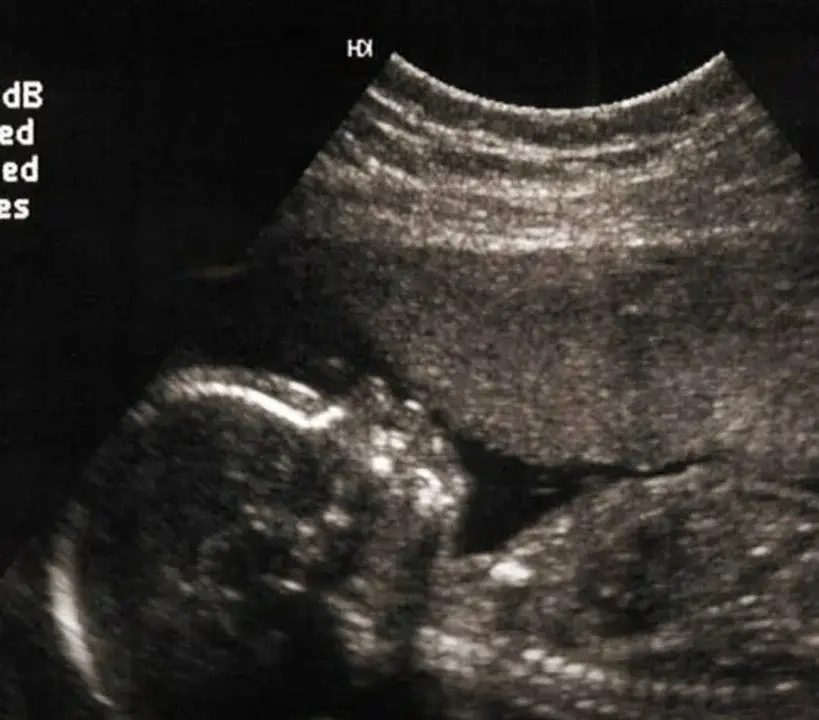
Above all, it highlights a fundamental aspect: the determining influence of the intrauterine environment on neurological development. Like a young plant that depends on the quality of its soil, our brain is shaped from the earliest stages of existence.