1. Increased Anxiety and Stress
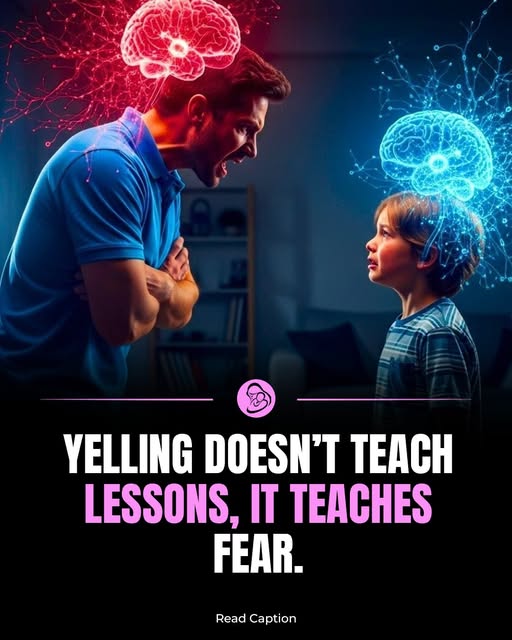
Children who are frequently yelled at often display higher baseline levels of stress. They may become anxious about everyday interactions with their parents, anticipating conflict or punishment. This constant state of alertness can make it harder for them to relax or focus at school, at home, or in social settings.
2. Lower Self-Esteem
Yelling, especially when combined with criticism or harsh words, can undermine a child’s confidence. Children may internalize the belief that they are “bad” or “inadequate,” leading to difficulties in self-expression and personal growth. Over time, low self-esteem can affect academic performance, social relationships, and overall mental health.
3. Trust and Relationship Challenges
Children need to trust their caregivers to feel secure. When they are regularly yelled at, they may begin to distance themselves emotionally, fearing judgment or negative reactions. This can weaken the parent-child bond and make children less likely to share problems, concerns, or feelings, creating communication gaps that persist into adolescence and adulthood.
4. Hypervigilance and Behavioral Effects
Some children develop a habit of “walking on eggshells” to avoid triggering parental anger. This hypervigilance can manifest as withdrawal, perfectionism, or defiance. While it may temporarily reduce conflict, it teaches children to suppress emotions instead of learning healthy emotional regulation skills.
How Parents Can Change the Pattern
The good news is that parental behavior can be adjusted to break the cycle of yelling and stress. With consistent practice, parents can foster a calm, supportive environment that encourages children to manage emotions constructively.