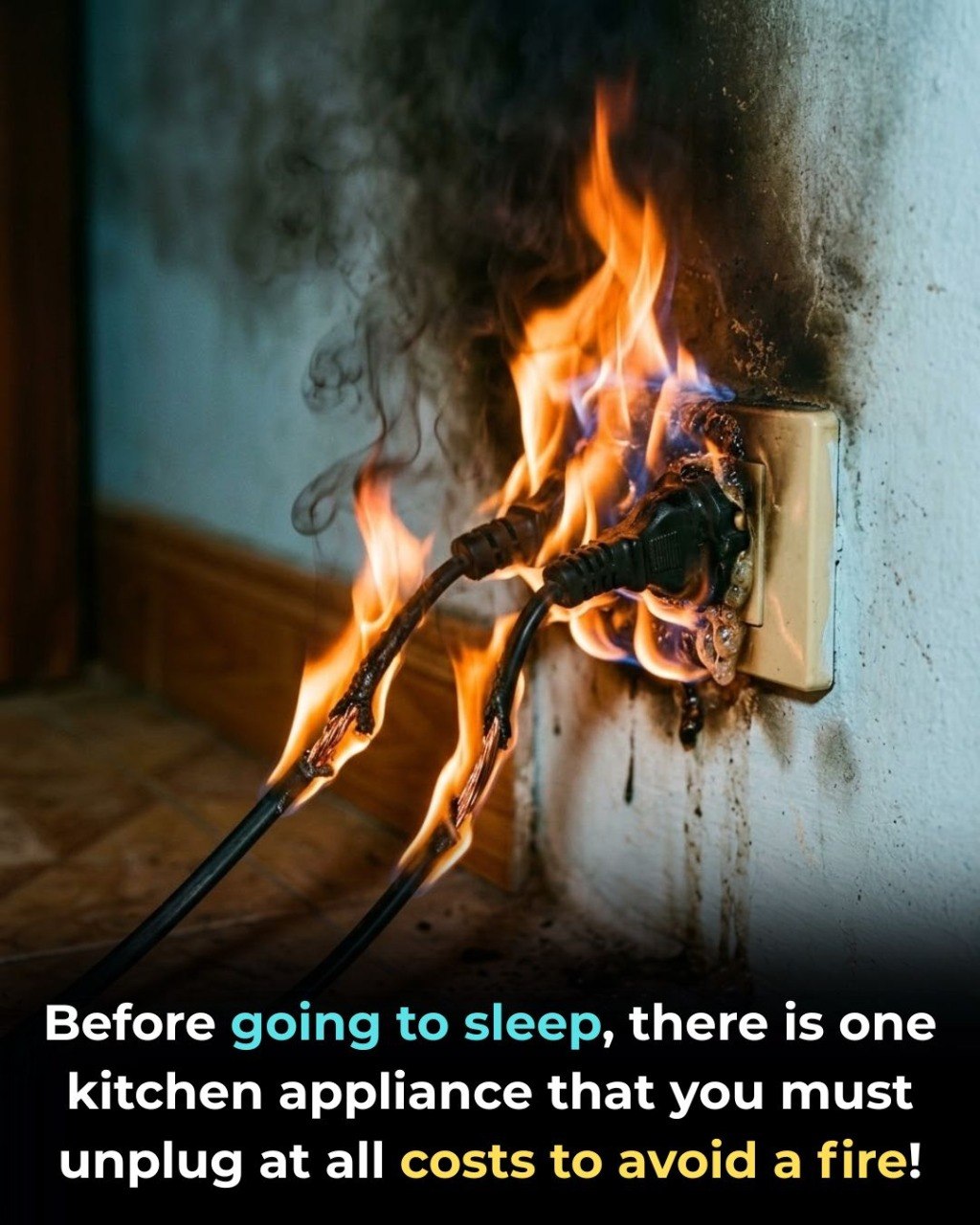
These high-wattage devices demand respect. Even when switched off, many continue drawing power—and if knocked over while plugged in, they can overheat rapidly. Older models may lack tip-over shutoffs or thermal fuses.
-
The hidden cost: Standby draw is minimal, but the risk isn’t.
-
The safety edge: Unplugging eliminates all electrical risk when not in active use—critical in homes with pets, children, or nearby blankets or curtains.
-
Pro tip: Never plug into extension cords. Unplug immediately after use. Treat every heater like a sleeping dragon: respect its power, even at rest.
5. Microwaves
That ever-present clock display? It runs 24/7, drawing power even when the microwave sits idle for days. Older units may also maintain internal circuits for “instant start”—a convenience with hidden costs.
-
The hidden cost: A single microwave’s standby draw can cost $5–$10 yearly—multiply that across multiple appliances.
-
The safety edge: Grease buildup inside combined with a short-circuiting control panel (more common in aging units) creates fire risk. Unplugging during extended absences adds a layer of protection.
- Beyond Unplugging: Simple Habits for a Safer Home
Unplugging is powerful—but it’s one thread in a larger safety tapestry:
✓ Inspect cords monthly: Fraying, cracks, or exposed wires mean replace immediately.
✓ Respect outlets: Never overload power strips—especially with heat-producing appliances.
✓ Maintain clearance: Keep 3+ feet between heaters/toasters and anything flammable.
✓ Test smoke detectors: Monthly press of the test button; battery changes every 6 months.
✓ Use smart power strips: For entertainment centers or office setups, these cut phantom load automatically.
The Bigger Picture: Small Acts, Meaningful Impact
This isn’t about living in fear of your appliances. It’s about gentle awareness:
-
Unplugging a toaster takes 2 seconds—and may prevent a kitchen fire.
Recent Articles
-