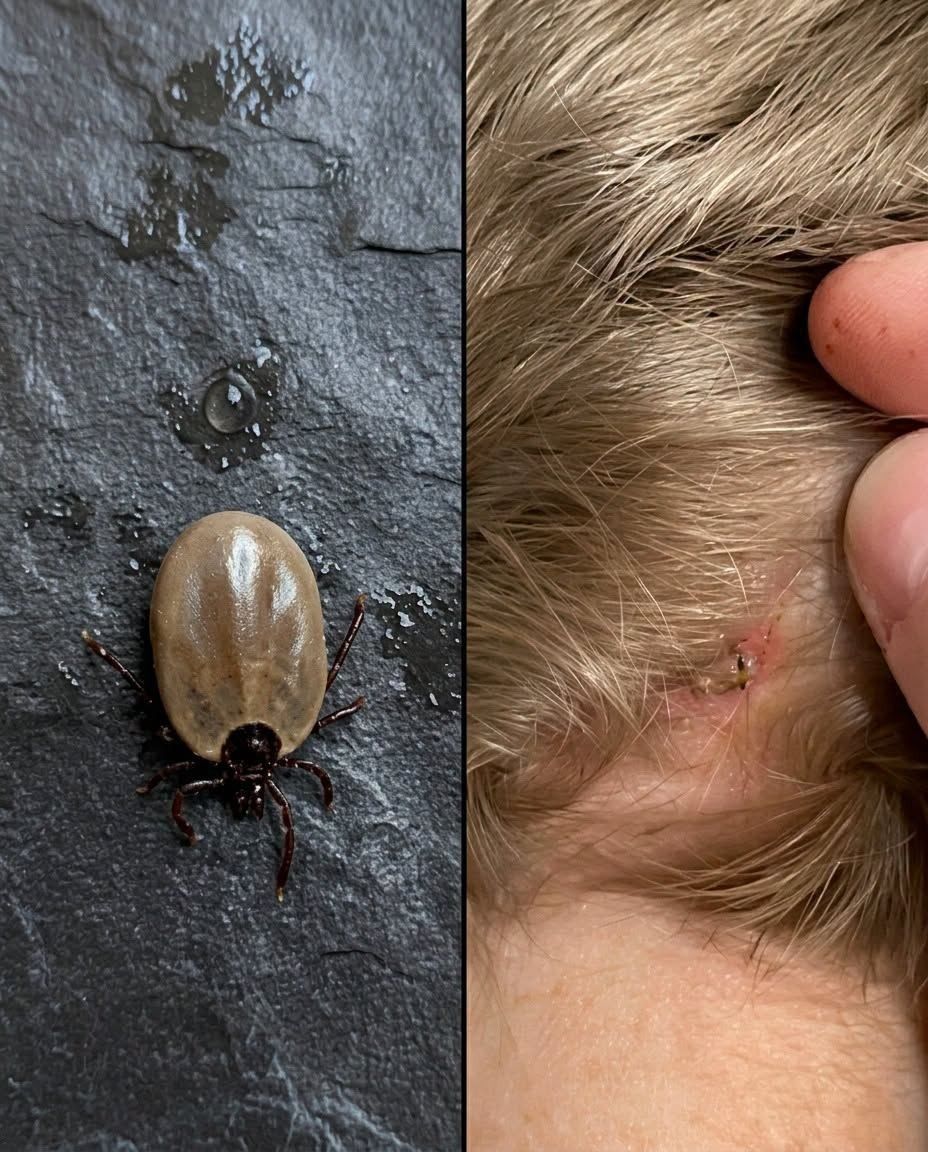
Understanding the life cycle of head lice is key to their effective eradication. These tiny insects go through three stages: nit (egg), nymph (young louse), and adult louse. Each stage has its own characteristics and requires a specific approach to ensure complete elimination.
Nits, firmly attached to the hair shaft, are often the most difficult to remove. Understanding this life cycle allows for the planning of treatments that cover all phases, preventing re-infestation and ensuring a high-quality , long-lasting solution.
Common transmission modes
Head lice don’t jump or fly; they are primarily transmitted through direct head-to-head contact. Sharing combs, hats, or scarves can also facilitate their spread, although it is less common. Education about these modes of transmission is vital for prevention.
Identifying how these pathogens spread between people allows us to implement more effective preventative measures at home and in community settings. This presents a strategic opportunity to educate children about hygiene habits.