Hygiene measures for pets
Pets are often the primary carriers of fleas. A regular deworming plan, combined with flea baths and the use of collars or topical treatments, is essential. Consulting a veterinarian for the most effective treatment is a premium investment in your pet’s health.
Keeping pets flea-free not only protects them, but also prevents the spread of fleas to the home and people, closing a potential infestation cycle with a sophisticated and comprehensive approach.
Protocol for dealing with ticks
Safe extraction techniques
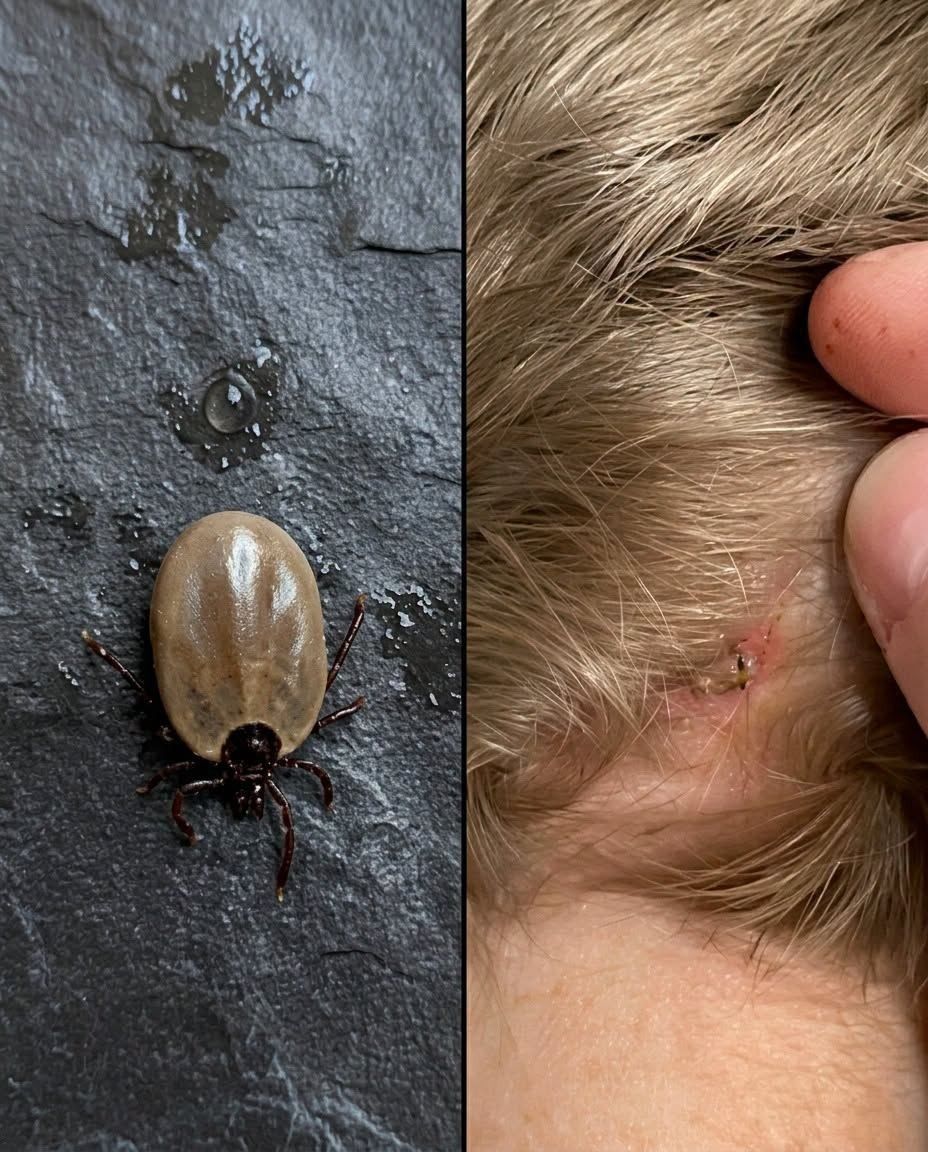
Removing a tick should be done with extreme care to avoid leaving the insect’s head embedded in the skin. Use fine-tipped tweezers, grasping the tick as close to the skin as possible and gently pulling upwards with a firm, steady motion.
Avoid twisting or crushing the tick, as this could release the insect’s bodily fluids into the wound, increasing the risk of infection. This high-quality technique minimizes risks and ensures efficient removal.
Verification of the adhesion zone
After removing the tick, it’s essential to clean the area with soap and water and apply an antiseptic. Monitor your skin for the next few weeks for any signs of redness or rash, which could indicate an infection.
This constant monitoring is a premium-value process that protects against complications. Post-extraction monitoring is as important as the extraction itself to ensure the individual’s complete safety.
Time to go to a health center
If the tick cannot be completely removed, the area develops a bull’s-eye rash (characteristic of Lyme disease), or if symptoms such as fever or joint pain appear, it is crucial to seek medical attention immediately. Early intervention is key.