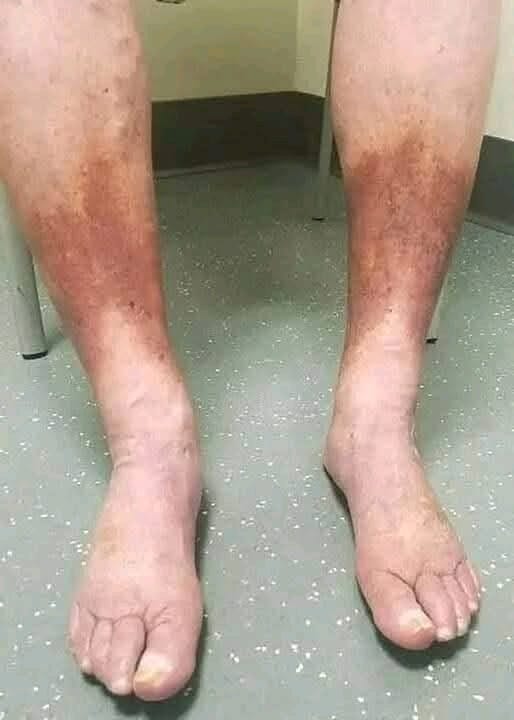
Diet also has a powerful influence on fluid retention. Eating large amounts of sodium causes the body to hold onto extra water in an effort to maintain proper chemical balance. Processed foods, canned soups, fast food, salty snacks, and many packaged meals contain surprisingly high amounts of salt, making swelling more likely. In addition, hot weather causes blood vessels to widen as the body attempts to release excess heat. This normal response can also allow more fluid to move into surrounding tissues, producing the familiar ankle swelling many people notice during summer months.
Swelling following an injury usually has a much more obvious explanation. A sprained ankle, twisted foot, or even a minor bruise triggers inflammation as the body begins repairing damaged tissues. Blood flow increases, immune cells rush to the injured area, and fluid accumulates around the site to support healing. In these situations, swelling serves a protective purpose and typically improves as the injury recovers.