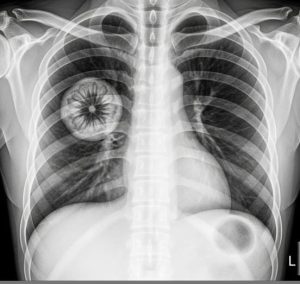
When swelling appears without injury—or refuses to improve—it may indicate that the body’s internal organs are struggling to regulate fluid properly. The heart, kidneys, and liver all play major roles in maintaining normal fluid balance. If the heart cannot pump blood efficiently, pressure builds inside the veins, forcing fluid into surrounding tissues. Kidney disease may reduce the body’s ability to remove excess water and sodium, while certain liver disorders decrease production of proteins that normally keep fluid inside blood vessels. As a result, swelling in the legs and feet can become one of the earliest visible signs of these underlying conditions.
Not every case of swollen feet requires emergency treatment, but some symptoms should never be ignored. Swelling affecting only one leg—particularly if accompanied by pain, redness, or warmth—may signal a blood clot known as deep vein thrombosis. This condition requires immediate medical evaluation because a clot can potentially travel to the lungs and become life-threatening. Swelling accompanied by fever, severe redness, or rapidly worsening pain may also suggest an infection requiring prompt treatment.
Other warning signs deserve urgent medical attention as well. If swollen feet occur together with chest pain, persistent shortness of breath, extreme fatigue, or sudden difficulty breathing, they may indicate a serious heart or lung problem. Likewise, swelling that leaves a lasting indentation when pressed with a finger, known as pitting edema, may point toward significant fluid retention that should be evaluated by a healthcare professional.